Rwanda's story is one of the most compelling transformation narratives in modern Africa. This landlocked nation of 13 million people has consistently defied expectations, achieving remarkable progress in economic development, social cohesion, healthcare innovation, and international recognition over the past three decades.
Economic Success Story
Rwanda's economic transformation reflects deliberate policy choices and strategic leadership. The tourism sector exemplifies this success, generating $647 million in 2024 and on track to exceed $700 million in 2025. This growth trajectory demonstrates Rwanda's ability to build and sustain competitive advantages in high-value sectors.
The tourism industry's contribution of 9.8% to GDP, representing a 17.7% increase from 2019 peaks, illustrates rapid recovery and continued growth. International visitor spending reached record levels of RWF 1 trillion, while domestic spending surged 32.2% above pre-pandemic levels.
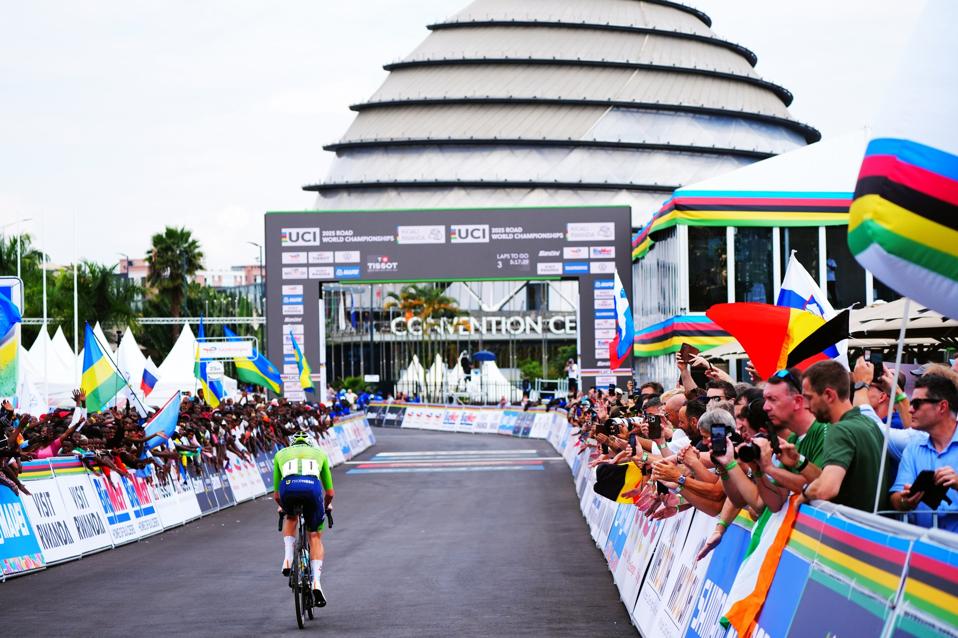
The recent UCI Road World Championships provided a perfect example of this success, bringing thousands of international visitors and generating significant media exposure that money simply can't buy.
Healthcare Innovation Leadership
Rwanda's healthcare system has become internationally recognized for innovations in service delivery, digital health solutions, and universal coverage approaches. The country achieves over 90% health insurance coverage through the Mutuelle de Santé community-based system.
Digital health innovations, including the Babyl telemedicine system and RapidSMS community health worker platform, have revolutionized healthcare access in rural areas. These technologies leverage Rwanda's 98% mobile network coverage to provide medical consultations, health monitoring, and emergency response services.
The establishment of 1,179 health posts since August 2021 brings basic health services within walking distance of communities, reducing average travel time to health facilities from 95 minutes to 47 minutes, with goals of reaching under 25 minutes by 2024.
Sports Tourism and Athletic Excellence
Rwanda has strategically invested in sports as both a development tool and economic sector, with ambitious targets of generating Rwf 30 billion from sports tourism by 2029. This vision encompasses infrastructure development, international partnerships, and systematic talent development across multiple sports disciplines.
The country's partnerships with global football clubs including Arsenal, Paris Saint-Germain, Bayern Munich, and Atletico de Madrid through the "Visit Rwanda" campaign demonstrate innovative approaches to international marketing and brand building.
Sports infrastructure development includes the 45,000-seat Amahoro Stadium, the 10,000-seat BK Arena, and numerous specialized facilities supporting basketball, volleyball, tennis, golf, and athletics. The planned construction of 540 sports facilities nationwide by 2029 will expand access to sports infrastructure across all regions.
The successful hosting of the UCI Road World Championships in September 2025 demonstrated Rwanda's readiness to welcome major international sporting events and showcased the country's capabilities to a global audience.
Technology and Innovation Ecosystem
Rwanda's commitment to technology-driven development extends across sectors, from digital governance initiatives to startup ecosystem development and regional technology leadership. The Smart Rwanda Master Plan guides comprehensive digitalization efforts encompassing e-governance, digital financial services, and ICT skills development.
The country's leadership in drone technology applications, including medical supply delivery and agricultural monitoring, demonstrates practical innovation addressing real development challenges. These applications have attracted international attention and investment while providing tangible benefits for rural communities and healthcare systems.
Environmental Leadership and Conservation
Rwanda's environmental policies and conservation achievements have earned international recognition, particularly in biodiversity conservation and sustainable tourism development. Gorilla tourism generated $200 million in revenue in 2024, representing a 27% increase and demonstrating successful conservation-based economic strategies.
The planned translocation of 70 white rhinoceruses to Akagera National Park represents significant conservation investment, enhancing the country's wildlife tourism offerings while supporting species conservation.
Regional Leadership and Continental Vision
Rwanda actively promotes African integration and continental cooperation through various initiatives and hosting responsibilities. The country regularly hosts African Union events, regional economic forums, and continental conferences, positioning itself as a neutral venue for important diplomatic and business activities.
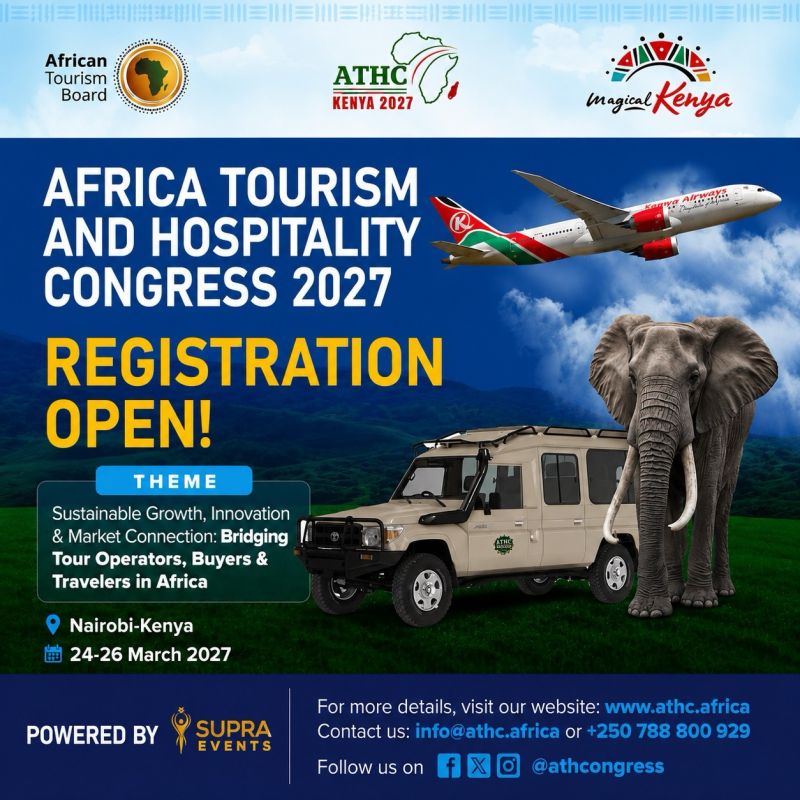
The upcoming Africa Tourism and Hospitality Congress in March 2026, focused on "Sustainable Growth, Innovation & Market Connection," exemplifies Rwanda's role in facilitating continental dialogue and cooperation.
Urban Development and Infrastructure
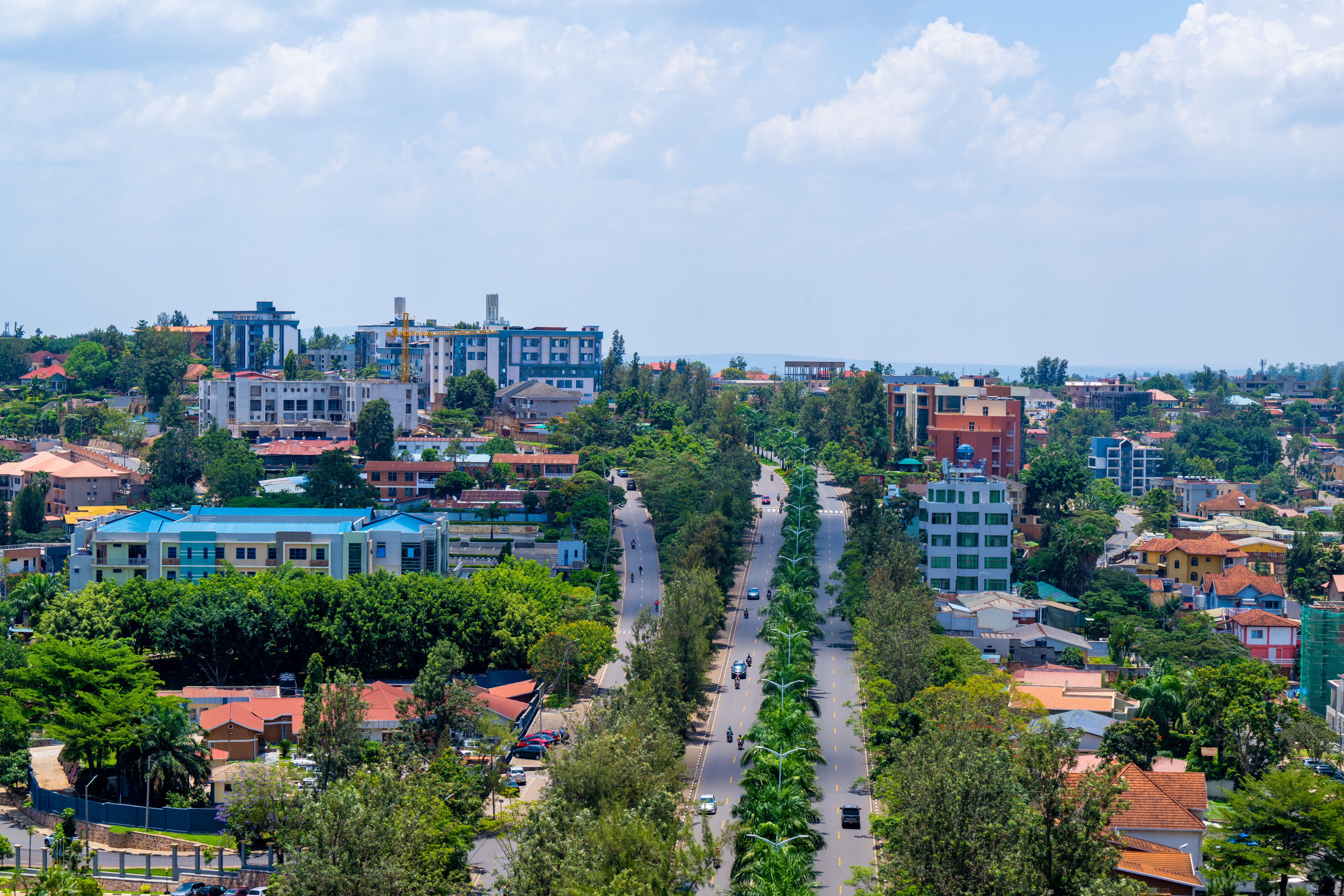
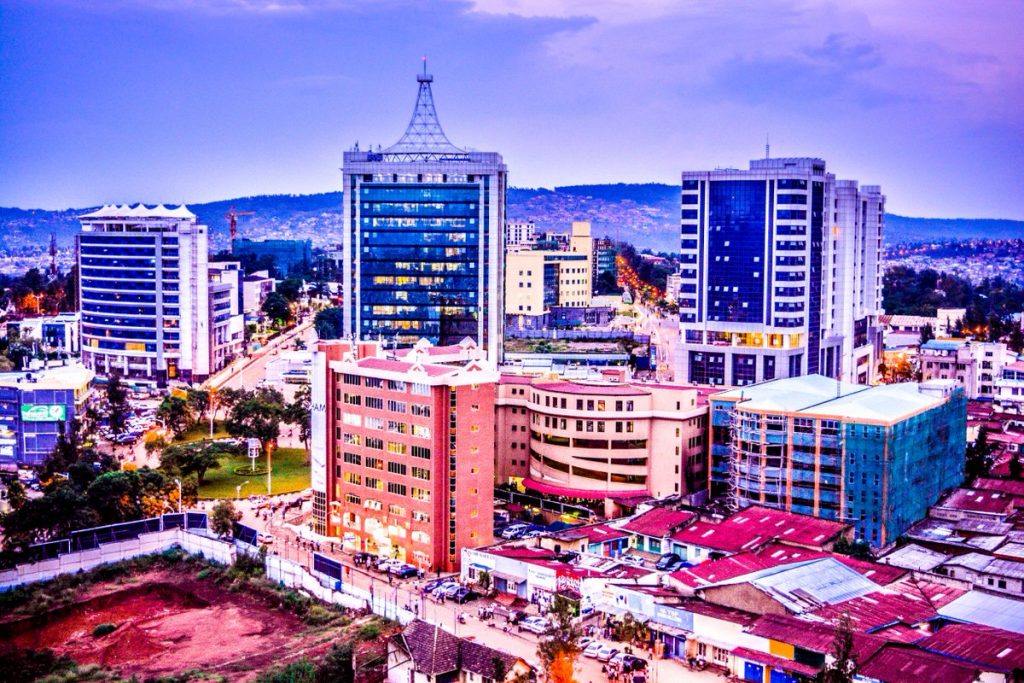
Rwanda's urban development strategy, exemplified by Kigali's transformation and the City of Kigali Master Plan 2050, provides models for sustainable urban growth across Africa. The plan's emphasis on mixed-use development, green growth, and inclusive planning addresses common African urban challenges while promoting economic development.
Infrastructure investments, including the upcoming Bugesera International Airport with capacity for 14 million passengers annually, support Rwanda's regional hub ambitions while enhancing connectivity for tourism and business development.
Education and Human Capital Development
Rwanda prioritizes education and skills development as foundations for long-term prosperity and social cohesion. The country's emphasis on technical and vocational education, complemented by university expansion and international partnerships, creates pipelines for skilled workforce development across priority sectors.
Language policy innovations, including the adoption of English as an official language and promotion of Kinyarwanda cultural preservation, balance international connectivity requirements with cultural identity maintenance.
Cultural Renaissance and Creative Industries
Rwanda's cultural sector contributes to both social cohesion and economic development through creative industries, cultural tourism, and heritage preservation initiatives. The annual Kwita Izina gorilla naming ceremony combines conservation messaging with cultural celebration, attracting international visitors while reinforcing conservation commitments.
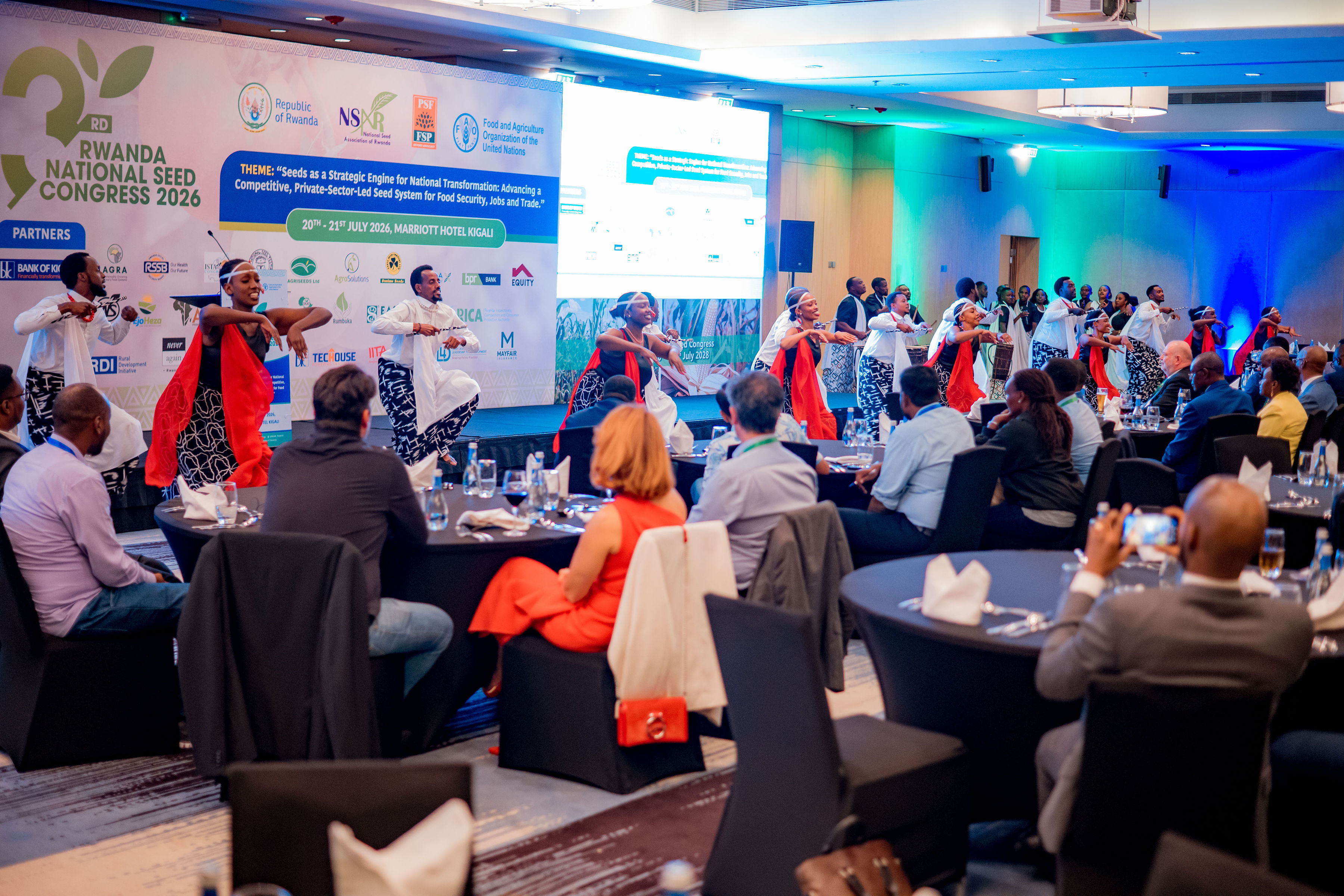
Traditional crafts, music, dance, and storytelling traditions are being revitalized and commercialized through cultural tourism programs and international cultural exchanges. These efforts support local communities while showcasing Rwanda's rich cultural heritage to global audiences.
Rwanda - A Nation Transformed Through Innovation and Resilience